From a single grain of wheat

Shigesato Itoi ☓ Akira Minagawa

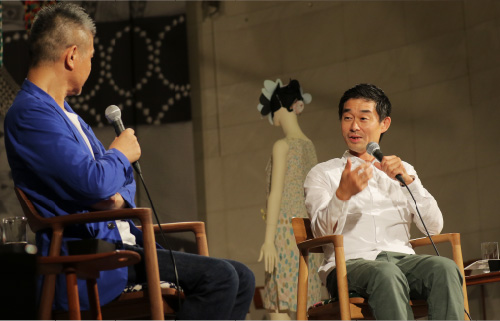
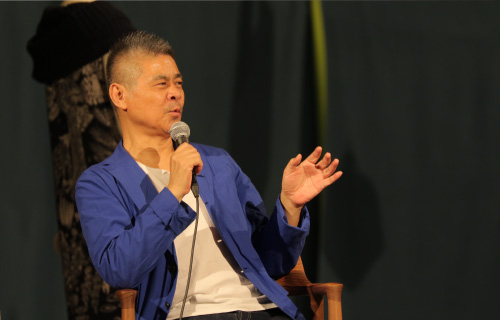
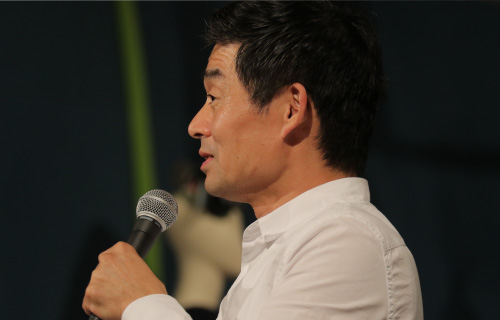
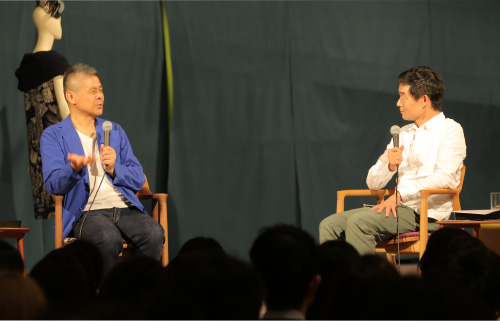
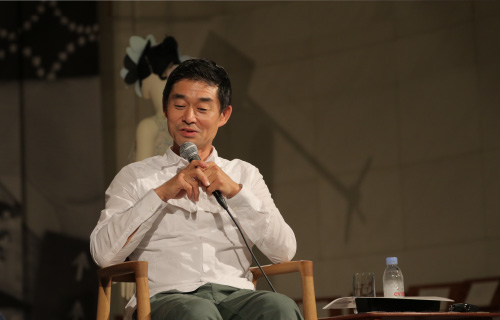
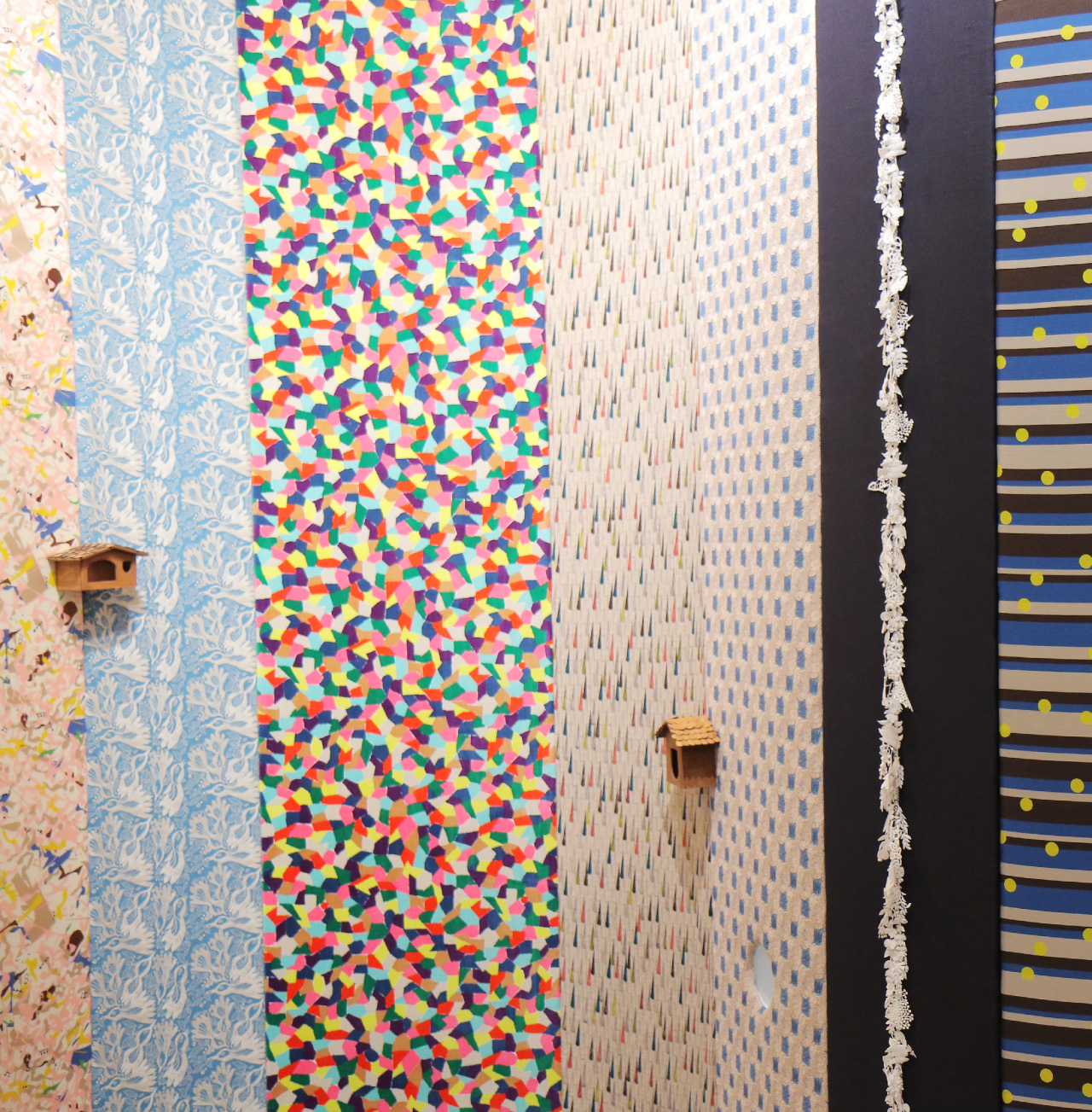
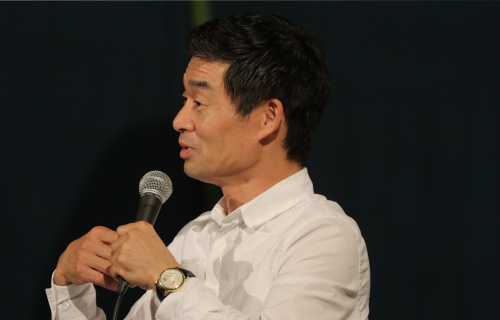
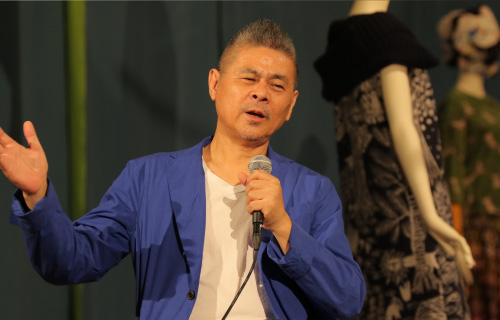
minä perhonen is a meticulously-designed clothing brand beloved by many people for its use of original textiles. This special panel by Shigesato Itoi and designer Akira Minagawa was held during minä perhonen's special gallery event to celebrate the brand's 20th anniversary. They discuss the origins of the Hobonichi Techo, the important points of creating clothing, and other topics that popped up during their casual conversation.

About minä perhonen

Fashion brand created by designer Akira Minagawa.

First founded in 1995 under the name minä. Opened the first shop in Shirokanedai, Tokyo in 2000, and renamed the brand name to “minä perhonen” in 2003. Opened a total of 9 shops across Japan, with a new location in Daikanyama in April 2016, a new shop in the Spiral building in Aoyama, Tokyo in July 2016, and a location coming to Kanazawa.
minä perhonen homepage

Part1

It started with “I want one.”

Minagawa
Thank you for joining us today for our live event with Shigesato Itoi.

[Audience claps]

Itoi
Thanks for having me.
Minagawa
About once a year or so you treat me to lunch and we talk about things that I later really go over a lot in my head. They’re really important to me, and I’d like to share those same things with everyone here today. I’ve also got some things I want to ask you, myself.

Itoi
Sure.
Minagawa
You’ve allowed us to work with you and the Hobonichi staff every year for the past few years, but the Hobonichi Techo was first released in 2002, correct? So it’s in its 15th year.
Itoi
Right.
Minagawa
We also attended that meeting the other day at Hobonichi to participate in the group discussion with all the different companies and people involved in the Hobonichi Techo. There was everything from creators and designers to sellers.
Itoi
And shippers.
Minagawa
Yes, even the companies involved with fulfillment. It was every single group that works with Hobonichi on the Hobonichi Techo. It was a lot of fun, and the event even included a magic show!
Itoi
We receive an immense amount of help with the Hobonichi Techo, and every year we want to take advantage of the opportunity we have in that gathering to get everyone excited about what we’ve accomplished.

Minagawa
How many books did you sell in the very beginning?
Itoi
I believe it was about 12,000 books.
Minagawa
And that number has since grown to over a half a million. Normally, products that grow in number and scale like that become streamlined and shaped into a cut-and-dry product that makes work on it rather dull.
Itoi
Yeah.
Minagawa
But the Hobonichi Techo is like the opposite—it gets more fun to work on every year and it feels like the possibilities are always growing. And the meetings are fun when we look at what sold the best, and so on.
Itoi
(To audience) We announce the sales data at the meeting.
Minagawa
That sense of fun I get from these meetings also feels to me like a sense of hope. It’s more than just the thought, “We want to make the Hobonichi Techo.” It’s the combination of “Who do we make it with and how?” “In what ways do we deliver this to the customers?” All those aspects make up the Hobonichi Techo. When you first started the techo 15 years ago, where did you envision it going?

Itoi
I’m not really one to look forward to the future, and I’m not very good at judging what we should do now based on where we want to be later on. I was freelance for such a long time that I feel like a performer. If there’s a stage, I’ll go up and dance.
Minagawa
Yeah.
Itoi
Around the time we first released the techo, I’d been focused on doing what I found interesting. The Hobonichi Techo was something we personally wanted, and that’s all it took for us to get started.
Minagawa
Interesting.
Itoi
But once we started, we realized it was a product we’d have to continue making. We couldn’t just drop it and leave everyone hanging right when they were looking forward to using it again.
Minagawa
Yeah, it is a planner, after all.
Itoi
Our young team members weren’t experts or anything, but nevertheless they visited the big important department stores and asked if they would sell our book. Apparently the people at the stores ended up lecturing them on taking planners more seriously. And they were right when they told us, “You’re signing yourself up for many years when you make a planner.” It was discouraging to hit a wall like that, but they were spot on.

Minagawa
Yeah.
Itoi
But at the same time, we felt a little defiant about it, and decided to just go ahead with it.
Minagawa
Did your resolve to continue making it strengthen when they made those comments to you?
Itoi
I’m not sure. I figured we had the right to make a planner as long as we resolved to continue it, so we basically decided to make it whether it sold well or not. We weren’t worried about how it sold in its first or second years. We just wanted to know that there were people out there using it.
Minagawa
I see.
Itoi
There was one more reason we went forward with it. From the very beginning, the techo has always had thread-binding to allow the book to open completely flat. At our Hobonichi Techo release party, one of the people who had worked on the thread-binding told us, “You know, these books might fall apart after using them for a year.”
Minagawa
Yikes, what timing to tell you something like that.

Itoi
Right when everyone was so excited about finishing the product. Dictionaries, for example, totally fall to pieces when you use them constantly. The person probably told us that as a compliment, that it would be a good thing if the users loved their books enough to reach that point. But we were just shocked by it. We know that dictionaries tend to fall apart, but if a planner of all things started to fall to pieces, it’d be a huge problem.
Minagawa
Yes, it would.
Itoi
We actually rushed to make them all over again. We asked them to make the books in a way that would prevent them from falling apart. Because the book was only for sale on the Hobonichi website, we sent a new book to every single person who had bought one.
Minagawa
That’s amazing.
Itoi
So we actually made way more than we needed in the very first year. It was a lot of trouble in many ways. That might have been what strengthened our resolve to keep going.
Minagawa
So it’s not a personal project, but one that comes from your feelings and spirit as the overall maker of the product to really step up to the plate.
Itoi
Yeah. With personal projects, I’ve turned them down before, or even pulled out from halfway through the project. Kind of like that rascal fishmonger character Isshin Tasuke throwing a big tuna over his shoulder and leaving as he says, “I’m outta here!”
Minagawa
[Laughs]

Itoi
But at some point I got serious about working as a team. It was sometime before we released the techo for the first time. I wonder why? I guess I just changed. Well, I suppose people change when they take on new roles. I can’t imagine you’re the same person now that you’ve always been.
Minagawa
I think I’ve changed. Parts of the old me are still inside me somewhere, but the moment I started minä perhonen, I feel like I became the “Minagawa from minä perhonen.”
Itoi
I only started thinking ahead once I realized, “Wait a minute. I’m going to die.” It only really hits you that you won’t live forever once you’re reminded of it by your surroundings. If you’re under the impression that you’ll live forever, then you’ll treat every match like you can just settle it with a sudden death round. It’s like saying, “If I lose at the bottom of the ninth inning, I can just turn the game around in the tenth!”
Minagawa
Yeah.
Itoi
But there are times when a game ends in the 12th inning. And when I realized that, I started to think about being strong as a team. When we created the Hobonichi Techo, I didn’t think, “this is our final shot,” but I also didn’t feel as much as others did that a do-over was something we could even rely on getting.
Minagawa
I find myself starting to feel that same way.

Itoi
Huh? But you’re still so young.
Minagawa
Before I knew it, I’d already found myself thinking that way…
Itoi
So you’re old at heart. [Laughs]
Minagawa
I was just told that the other day.
Itoi
You’re not at the age to think ahead, yet you’re already doing it.
Minagawa
But after hearing what you just said, I feel like that’s okay.

2016-12-06-Tue