Twenty-First-Century Work Theory:
Shoe Shiner Edition

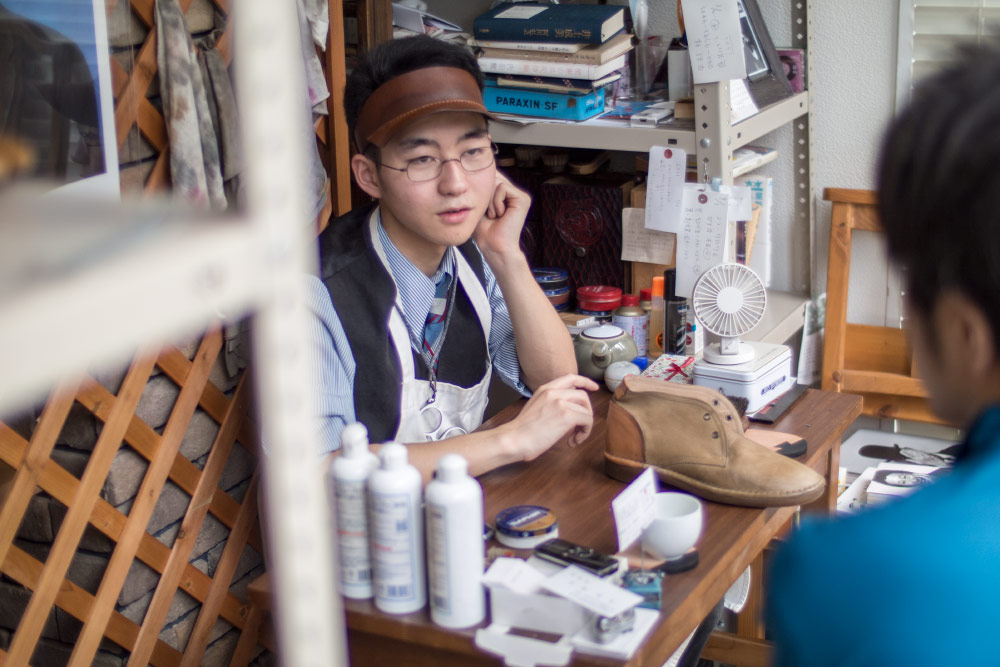
Interview with Shoe Shiner Keisuke Yamabe

In Studs Terkel’s hefty 1972 book Working, the author interviews 133 everyday people, including a professional gardener, a receptionist, a barber, a lawyer, and a salesman. These dictations offer a magnificent look at people’s feelings about their working lives. While we could never recreate Terkel’s timeless masterpiece, we at Hobonichi wanted to make a “21st century” version to show all the interesting jobs in today’s generation. 21st Century: Working! is occasional feature on the Hobonichi website run by team member Okuno.

Keisuke Yamabe

Born in Sasebo City, Nagasaki Prefecture in 1997.

Learned a great deal by frequenting a coffee shop while on hiatus from high school. Eventually dropped out of school and started his own “Miscellaneous Shoe Shine Shop.”

Part1

It’s been 3 years already, and I’m only 18.

I usually only wear sneakers, and while I own some pairs of leather shoes, I’ve never really had them shined before.
Yamabe
Yeah.
Just a few days ago, I watched a movie by Aki Kaurismäki where the main character was a shoe shiner.

It’s almost as if shoe shining has turned into this romanticized career that people assume is just in stories, but can’t actually support someone and may have died out.
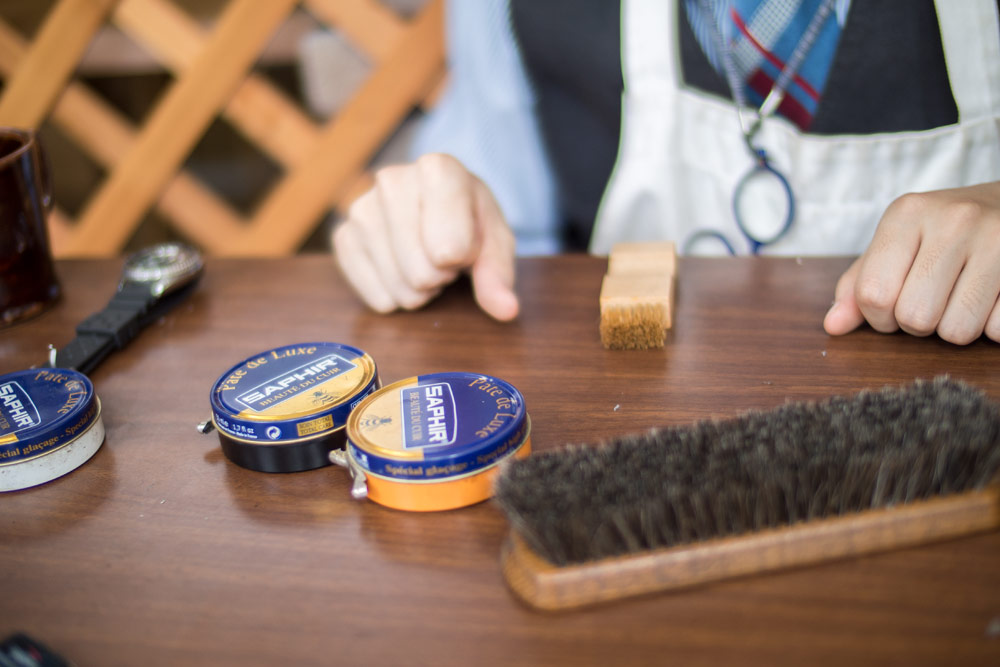
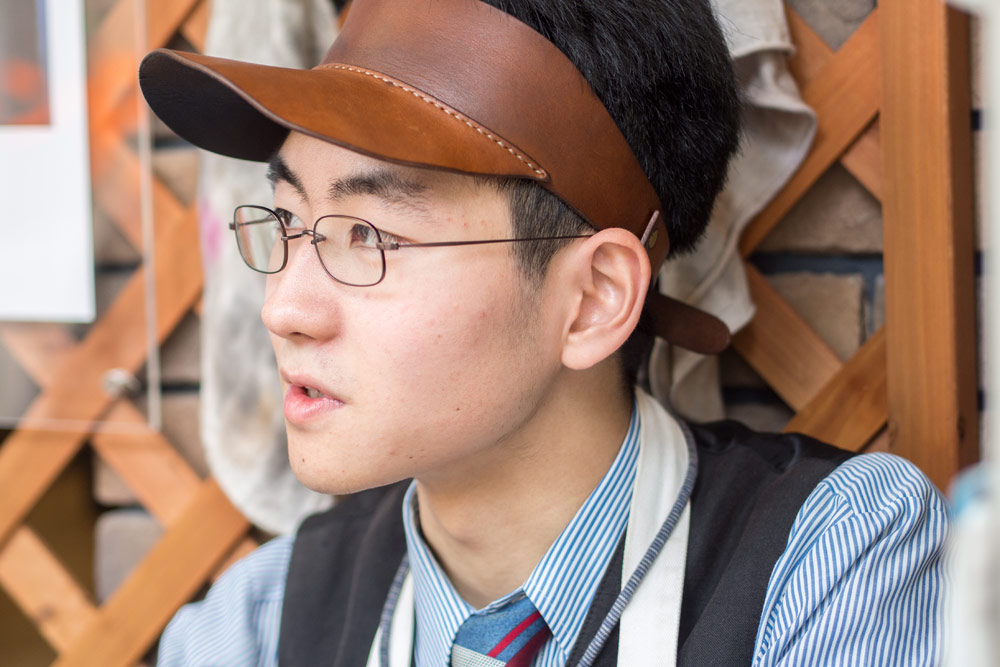
Yamabe
I agree.
There are famous shoe shine shops in the country, of course, but it’s not really clear for me how they’re doing business and making money. There are customers who still go to get their shoes shined though, right?
Yamabe
Yes, either a father preparing for his daughter’s wedding, for example, or businessmen having executives visiting from out of town. Most of my customers come for a specific reason.

So times when they need to clean up their look. It seems like you’d have a lot of repeat customers.
Yamabe
Yes, I’ve got a relatively high portion of repeat customers and people who came by word of mouth from my regulars.
I’ve always thought, why not just shine your shoes yourself? But when you shined my shoes earlier, they turned out spectacular. You were very thorough.
Yamabe
The procedure’s not that far off from how anyone would normally shine their own shoes, but before I shine them, I make sure to remove all the dirt and make sure they’re clean. All I can really say with confidence is that I take the time and effort to do a good job on the customer’s shoes in gratitude for their payment.
Usually we’d imagine a shoe shiner working in the corner of a major train station or something, but you’ve got your own shop here.
Yamabe
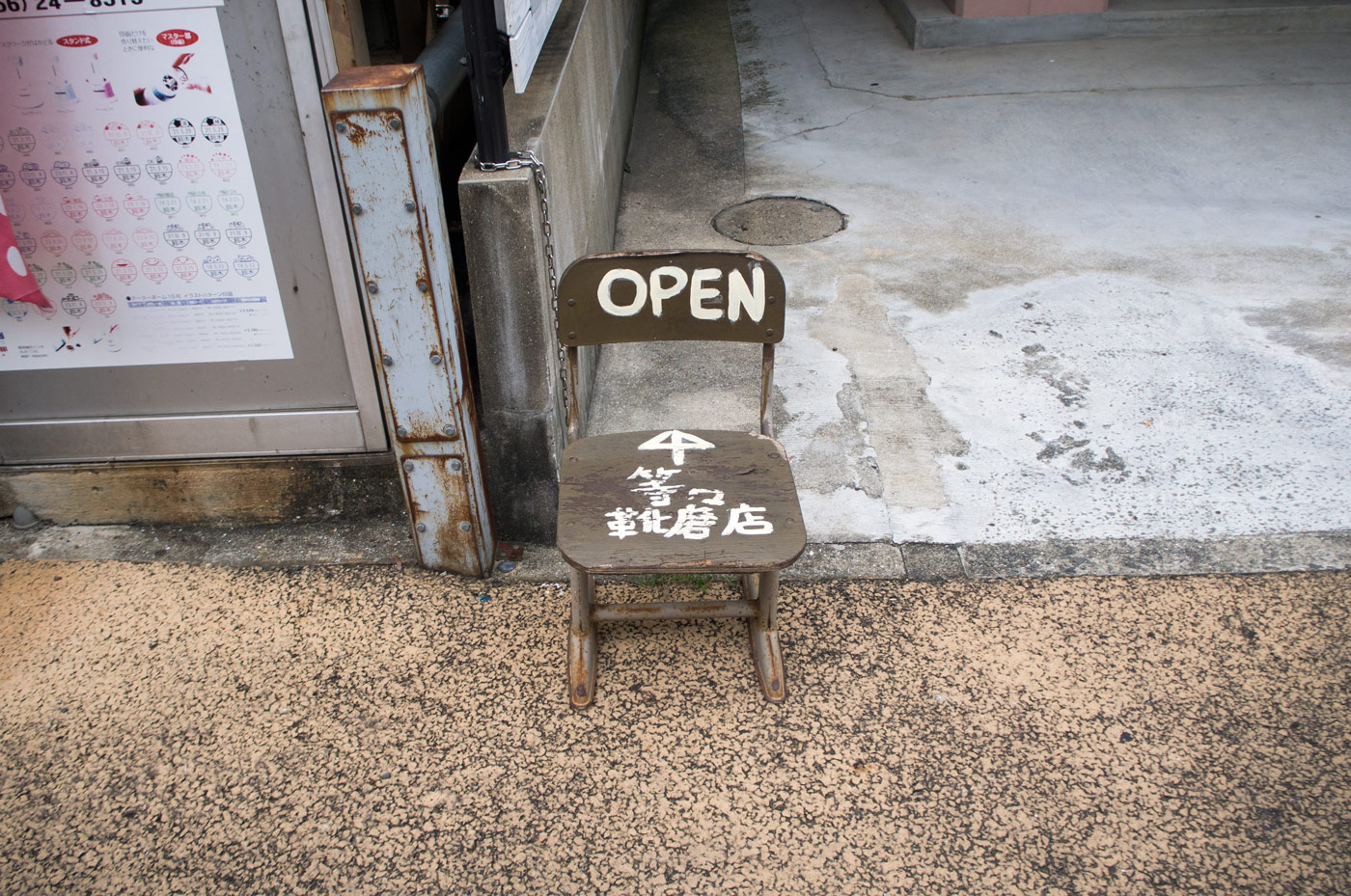
I’ve worked in public areas like that before.

And set up a little wooden stool?
Yamabe
Yes.
Do you call out to passerbys to announce your shoe shining services?
Yamabe
That’s right. At one point I was able to rent an area near the first floor window of a department store, so I closed up shop here and worked there for a while.
And people actually come to get their shoes shined?
Yamabe
If you’re serious about making a living from this job, and you wanted to support a loved one, I don’t think you’d be able to do it without working on the streets.
You make more money there?
Yamabe
Four or five times as much.
Wow, I never would have expected that much. So people without their own shops are making more money.
Yamabe
But it’s also way more stressful. You get all kinds of customers.

Like drunks?
Yamabe
Yeah, and people who look down on this job and speak their mind about it.
Sounds tough.
Yamabe
Yes, customers come in all shapes and sizes. [Laughs] But the number of customers is drastically different on the streets. Sasebo may not be the largest city, but every day 10,000 people pass through the shopping district.
So if even a fraction of that stopped by, that’s a huge number.
Yamabe
Right. When I was working on the streets, I’d have fifty, sixty customers a day.
So your customers are mostly men, right?
Yamabe
It’s actually about 80% women.
Wow, that’s surprising, too. I thought you were mostly shining shoes for businessmen.

Yamabe
It’s women who get their boots shined. Even if I’m shining men’s shoes, it’s still 80% women bringing those shoes in for their husbands, boyfriends, sons . . .
I see, so it’s kind of like taking them to the cleaners.
Yamabe
I’m sure women just notice before men do that their shoes are dirty.
Yeah, men tend to just let it go. Unless they have someone important visiting them or something like that.
Yamabe
Things get really crazy when it’s election time and the candidates are out on the streets giving speeches.
Ah, yeah, the shoes for the candidates.
Yamabe
No, I get a lot of work doing the shoes of their volunteer staff. Politicians running for office leave their shoes scuffed on purpose, to make it look like they’re working hard. So we don’t get to work on them. Instead, their volunteer staff need shiny shoes to make the candidate’s scruffy ones stand out.
Wow, that’s so interesting!
Yamabe
So the campaign volunteers will bring in a whole garbage bag filled with 20 pairs of dirty shoes for me to shine.
And how much do you charge?
Yamabe
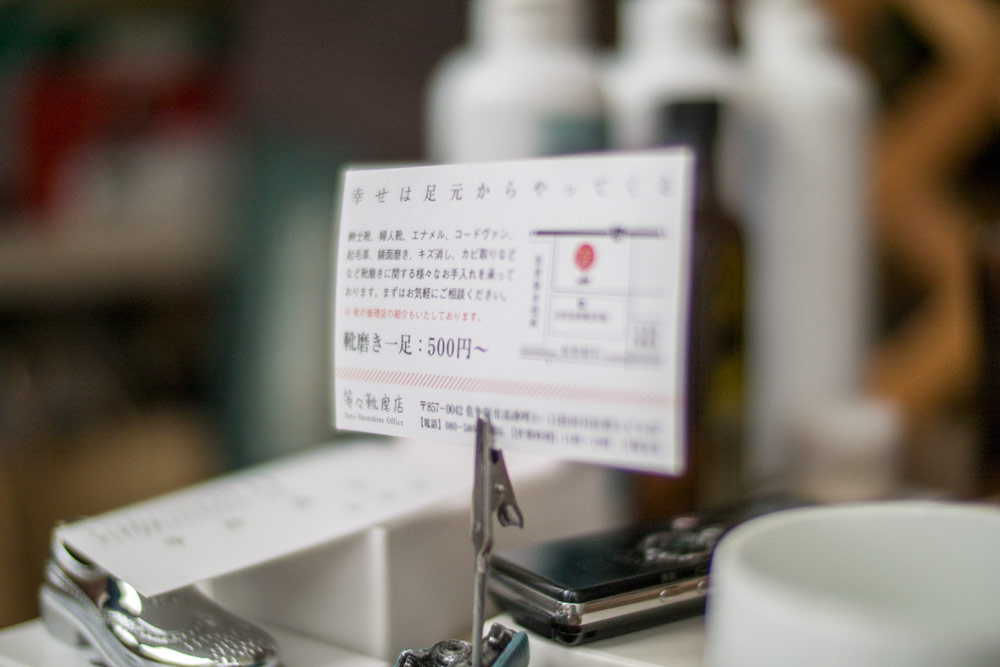
500 yen a pair.
Isn’t that a bit cheap?

Yamabe
It is cheap. I’m probably the cheapest one in all of Kyushu.
If it were on the high end of the scale…
Yamabe
Famous shoe shine places in Tokyo probably charge about 2,000 or 3,000 yen.
So you’re working at a quarter of the price. It’s got to be taking about the same amount of effort, though. Why do you price it so low?
Yamabe
I was only 16 years old when I started shining shoes. To me, 2,000 yen was a months’ allowance.
So you didn’t think you could get that much?
Yamabe
Right.
And you thought 500 yen would be plenty.
Yamabe
Yeah. [Laughs] As soon as I entered high school, I got really sick and had to take a break from school for a while. I would visit a coffee shop in my neighborhood about once a week.
Yeah.
Yamabe
And as you know, coffee costs about 450 or 500 yen a cup. So I figured people would be okay with spending about 500 yen a week like that, and I first set my price at 450 yen.
Why did you end up raising the price 50 yen?
Yamabe
I figured it’d be fine when news came that the sales tax would be rising to 8%, but then the price of oil began to rise, too.
For your wax and other materials.
Yamabe
Yeah. Things got difficult in a hurry. I talked about it to the adults that would always keep me company in the coffee shop, and they told me I needed to raise my prices.
Truly the advice of adults. [Laughs]
Yamabe
I realized they were right, and raised my rates 50 yen.
But after that you’ve stayed at 500 yen.
Yamabe
Yes, I work for 500 yen.
By the way, how old are you now?
Yamabe
I’m 18.

2016-12-06-Tue