View in PC modeView in Smartphone mode

HOBONICHI TECHO 2018

HOBONICHI TECHO 2018

The Way of Selection - Taku Sato Style

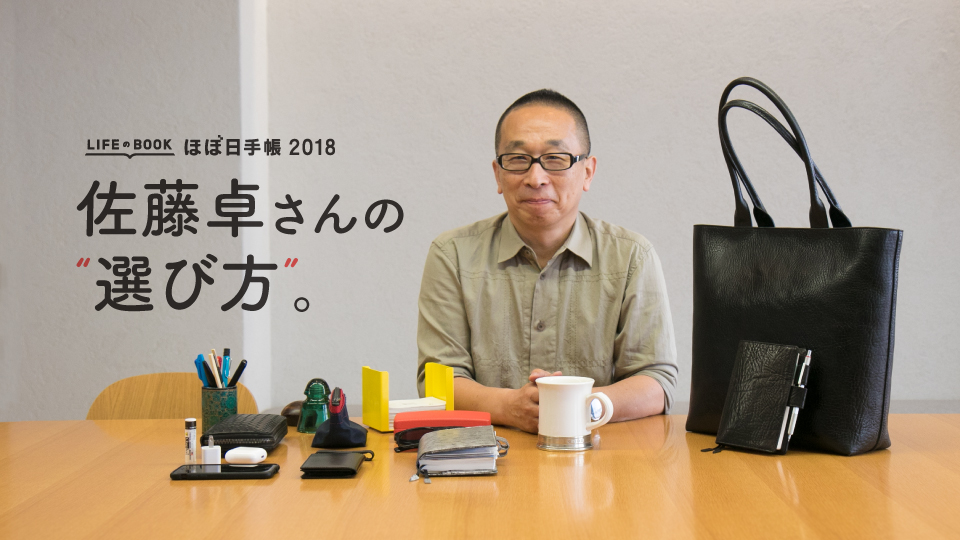
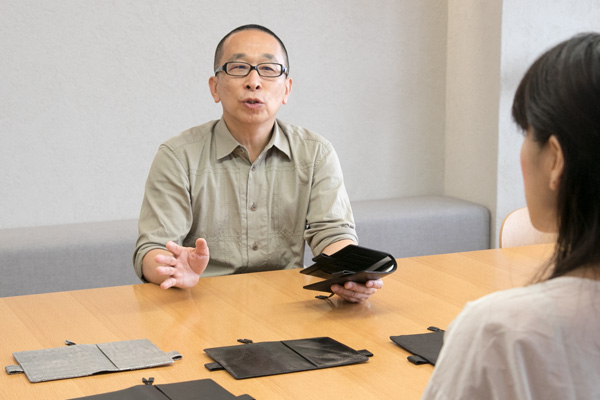
The TS series cover is crafted every year with the leather chosen by graphic designer Taku Sato. Over the years, we’ve witnessed the lightning speed at which Taku chooses the leather from a considerable number of candidates laid out in front of him. Naturally, we grew curious about his mental process of selection. We picked his brain while he showed us his favorite tools and curiosities around his desk as well as the contents of his bag.

Profile

Taku Satoh

Graphic Designer

Graduated from Tokyo University of The Arts in 1979, majoring in design, and completed his master’s degree in 1981.

Joined Dentsu, Inc. before establishing the Taku Satoh Design Office in 1984.

Created product designs and branding for Oishii Gyunyu Milk, Lotte XYLITOL Gum, and much more.

Currently active across a broad spectrum of projects, including general direction for NHK Educational TV’s “Design-Ah” series and art direction for “Nihongo de Asobo.”

Current director of design museum 21_21 DESIGN SIGHT in Tokyo.

Taku Sato Design Office Website
 

Contents

Part1

I’m a speedy chooser

Hobonichi:
You’ve chosen the leather to be used for the Hobonichi Techo cover again this year. The TS 2018 – Butler is looking very handsome.
Sato:
Yes, I had a lot of fun selecting it.
Hobonichi:
What was the deciding factor for this leather?
Sato:
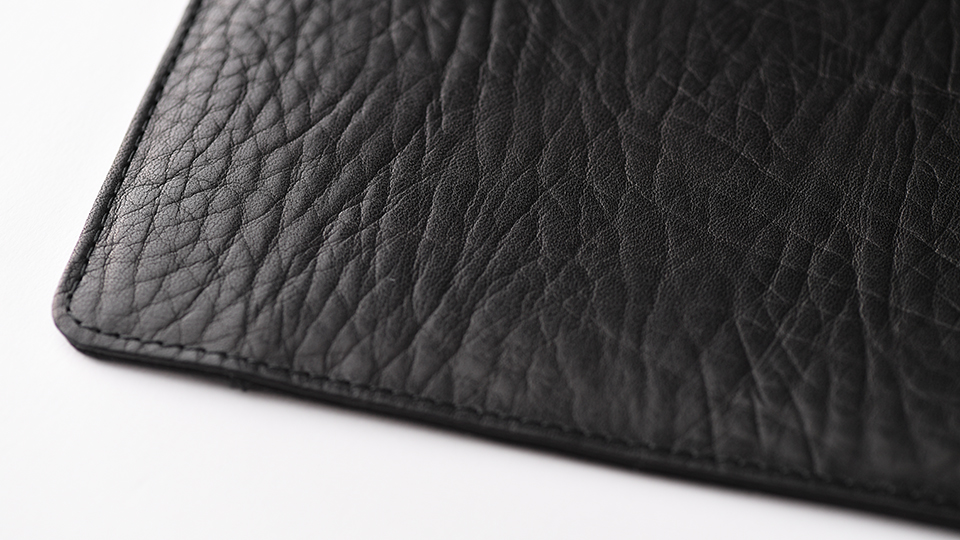
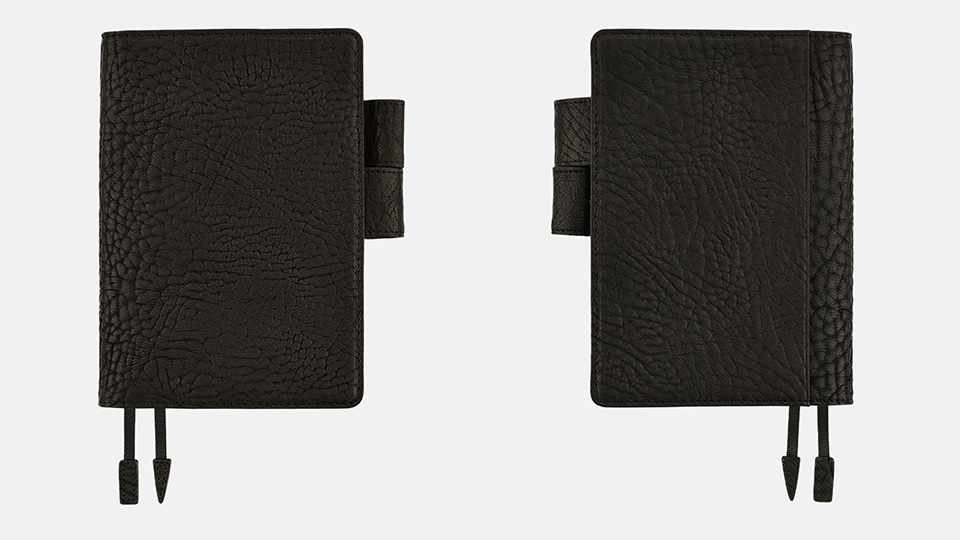
I felt that Butler most illustrated the dynamic quality of the leather amongst the candidates. Its rough texture caught my attention.
Hobonichi:
The other TS leather cover which is unchanged every year, Basic TS Black has a different appeal.
Sato:
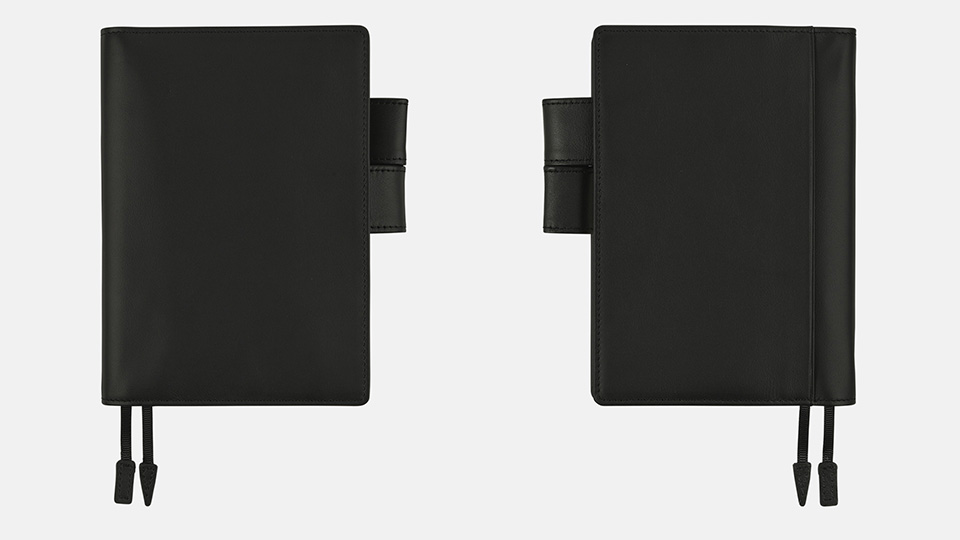
Yes. The Basic exudes delicateness and gentility; the direction I took with this was erasing its physical presence. The Butler on the other hand, is rugged and robust.
ph4

TS 2018 – Butler


ph4

Basic TS – Black

Hobonichi:
It really does feel rugged.
Sato:
Right? The source of the ruggedness is the three-dimensionality of the surface. The surface texture’s depth is probably about 0.3 mm, but this subtle unevenness does a lot to enhance the impression of its volume.

ts2018_01

Hobonichi:
The leather shop told us that to achieve this shrink-effect, leather is shrunk down from its original size, making this kind of leather a luxury. The deluxe air comes through as well.
Sato:
I agree. Its color black also possesses a formal bearing so — to put it into words, these are the reasons behind my decision making, I suppose. But when I chose, I sensed all of these in an instant.

ph1

Hobonichi:
The way you chose with lightning speed at last year’s leather selection meeting also left a strong impression.
Sato:
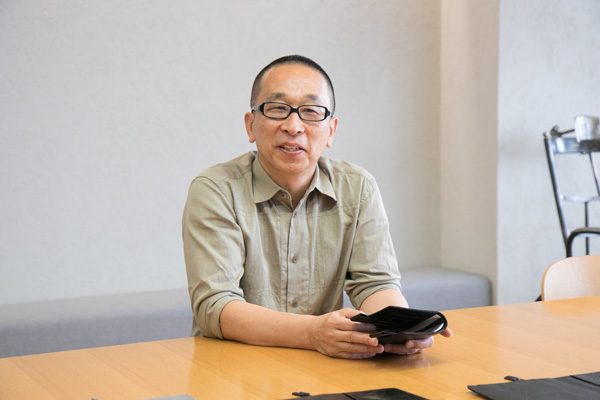
As you know, I am a speedy chooser (laugh). For instance, even when choosing clothes.
Hobonichi:
Even when you’re shopping?
Sato:
Let’s say there’s a row of clothes. I know which ones I want right away from a single walk through from end to end. Rarely have I had the experience where I pick this and that, agonizing over my choice.
Hobonichi:
Is it a sense of “knowing” or “seeing” the thing that matches exactly what you’d already imagined in your head?
Sato:
That might be so. I think when we encounter something, we feel that something in its entirety.
Hobonichi:
Feeling its entirety?
Sato:
We feel before we reason. I think this is the most important thing we need to embrace. I trust my instinct for things like color, texture, and functionality—things like that.

ph3

Hobonichi:
It does seem like one always ends up buying the first item he liked after rummaging through the whole store.
Sato:
That’s right. But with design work, it’s a different story. Designing something for an unspecified number of people involves referring to data, asking for opinions, and some agonizing.
Hobonichi:
Did you always make your shopping decisions without difficulty?
Sato:
Come to think of it, yes. I think maybe everyone is like that, though. What do you think?
When I was a student, I would take a really long time making shopping decisions—I’d visit this shop and that… Brooding with no end.
When you’re a student, you have lots of time but little money, so you tend to agonize over it.
Hobonichi:
When I started working, I think I became more adept at decision making since my thinking would be, “It’d be a pain to make time to come back to buy it, so I have to decide now.”

ph4

Sato:
Yeah, you cherish that single encounter.
Hobonichi:
But I don’t feel as confident as you about my gut feeling. Is it possible to elevate one’s sense of instinct?
Sato:
Everything is made of material, has its distinct texture, color, and volume. From my younger years, I always paid more attention than others to those aspects because they are an enormously valuable reference for my field of work, be it packaging, product or graphic design.
Hobonichi:
I see.
Sato:
When I’d be instantly attracted to something, I’d go back to analyze, “What drew me to this item?”(laughs). I like such mental process, and I would naturally do it.
Hobonichi:
It seems that when you stop and think about why you like a particular thing, you become more in touch with your own preferences.

Continues to Part.2

2017-10-12-Thu

Save and Continue Shopping

*Please note, these exchange rate estimates based on Xurrency.com are intended as a guide only. The actual rate for your order may differ, as exchange rates change constantly, and international purchase costs vary by credit card.

Service temporarily unavailable