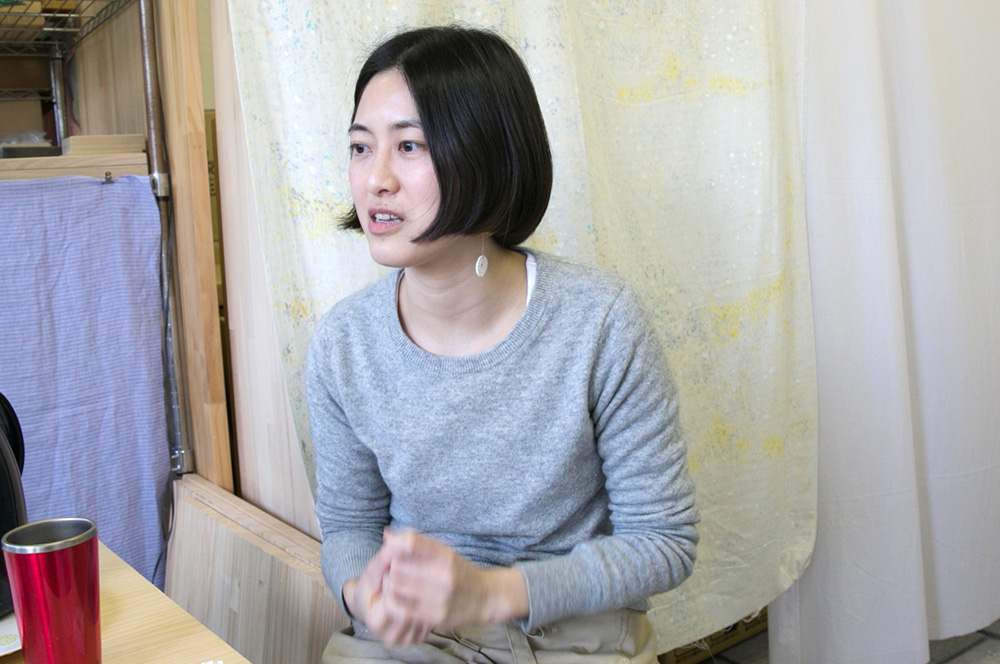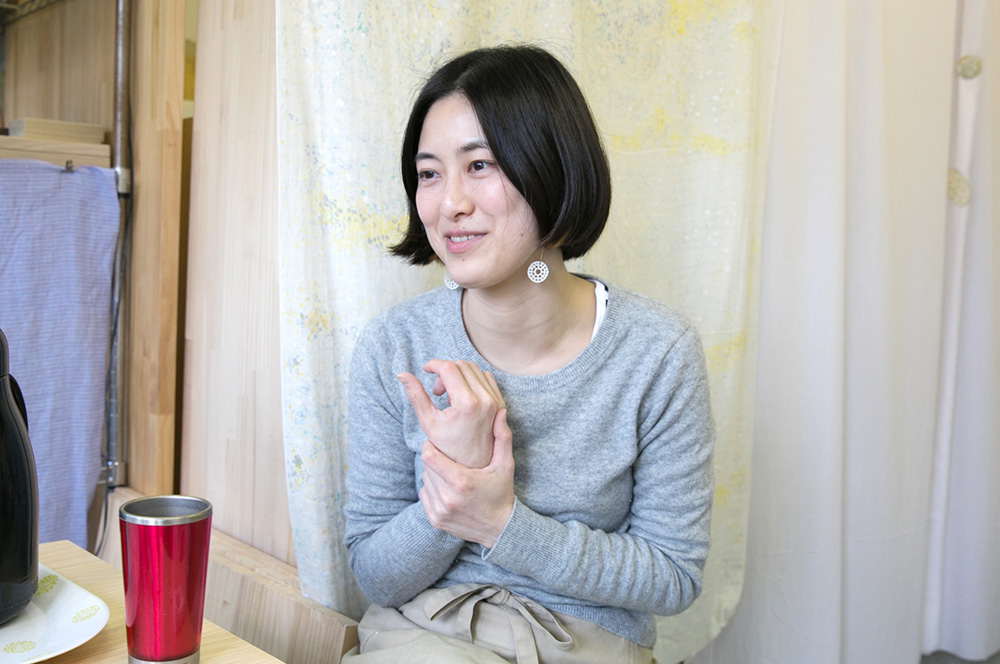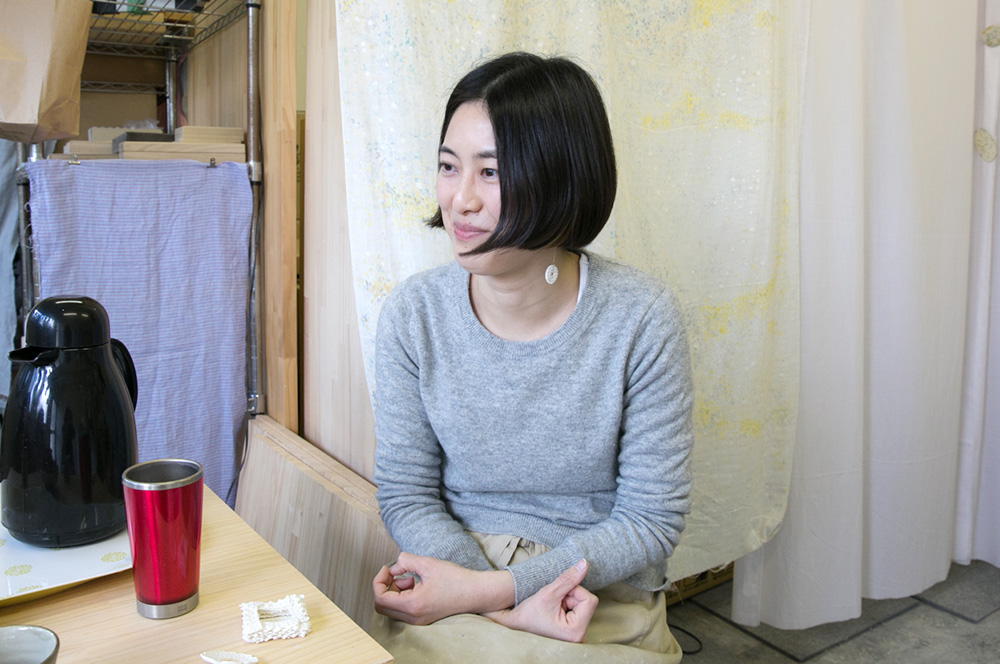
A Visit to Kimiko Suzuki’s Art Studio

Interview with Porcelain Jewelry Designer/Artist Kimiko Suzuki

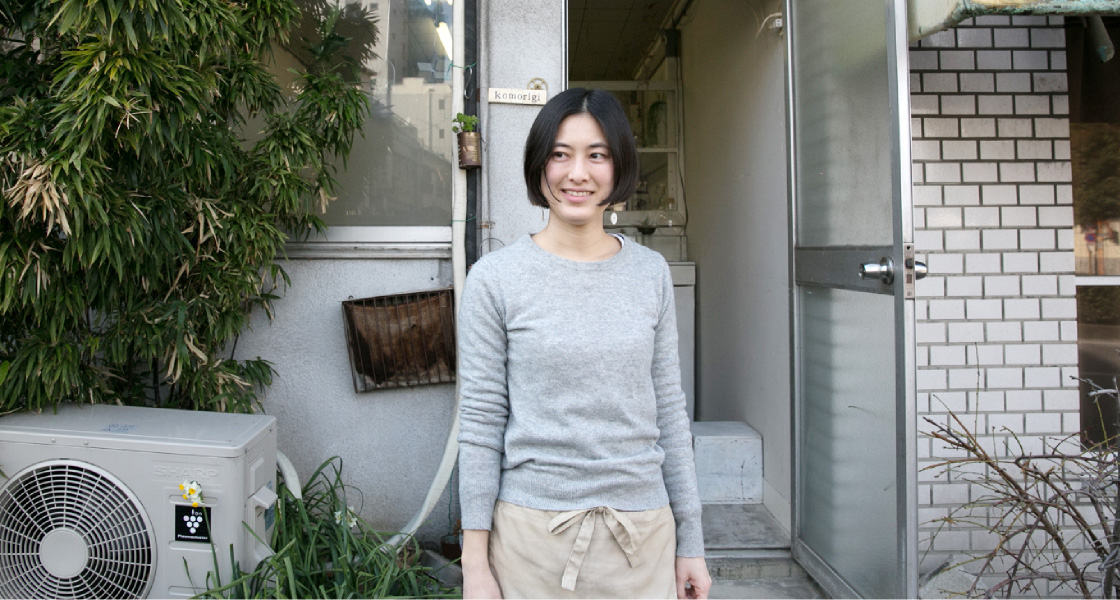
Kimiko Suzuki

Born in Tokyo in 1980.

Graduated from the Ceramics Program at the Tama Art University’s Faculty of Art and Design in 2004.

After working in textile quality inspection, released a series of white porcelain accessories in 2011.

Homepage: http://kimikosuzuki.com/
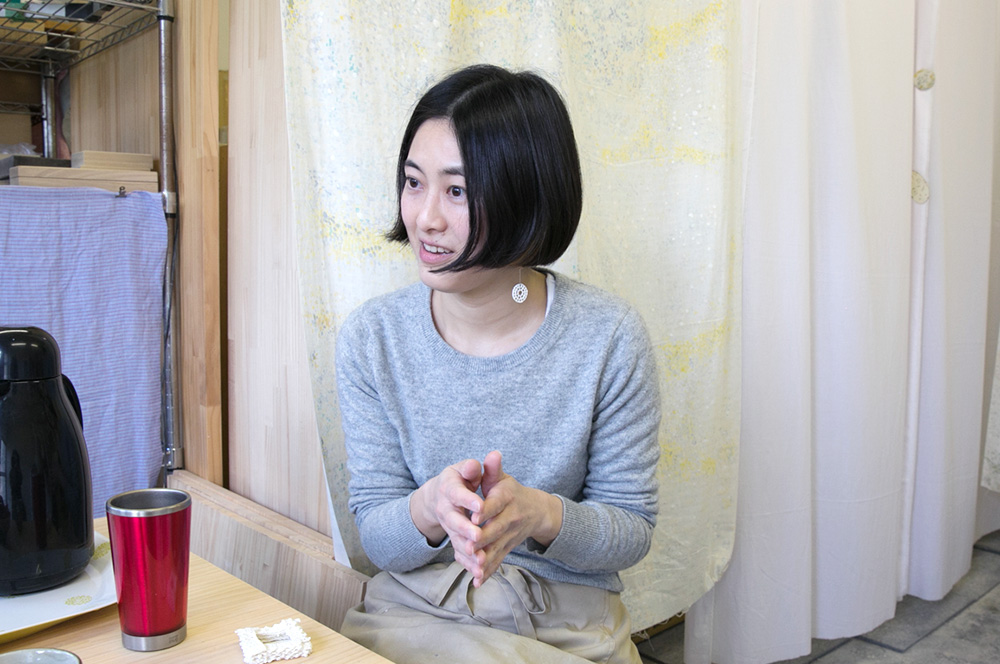
Part1

Kimiko Suzuki

We originally learned about your work when Itoi visited your solo exhibit in Aoyama.
Suzuki
That’s right. I saw him walking nearby the venue, and I noticed him, but I wasn’t planning on speaking to him or anything. The exhibit was in a really small place that was a secondhand store and flower shop. It’s a really wonderful shop, so I was genuinely more interested in people noticing this place and their beautiful flowers than I was with people seeing my work. I saw him stop for a moment, and without thinking I called out to him. I startled myself when I did that, but I fumbled to give him a flyer, and I never expected him to come. I was so surprised when he showed up.

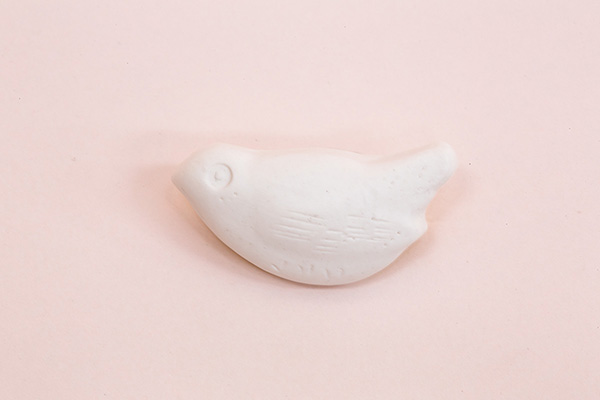
Now that you mention it, he did have a bird brooch he was bragging about. He said, “Nice, isn’t it? You guys should check it out.” [Laughs]

The brooch Itoi bought.

Suzuki
[Laughs] I’m happy to hear that.
We were curious to check it out, so all the women from the office stopped by and were really taken by all your work. We were all chattering excitedly about the cute earrings and brooches and stocked up while we were there.
Suzuki
Oh, thank you!
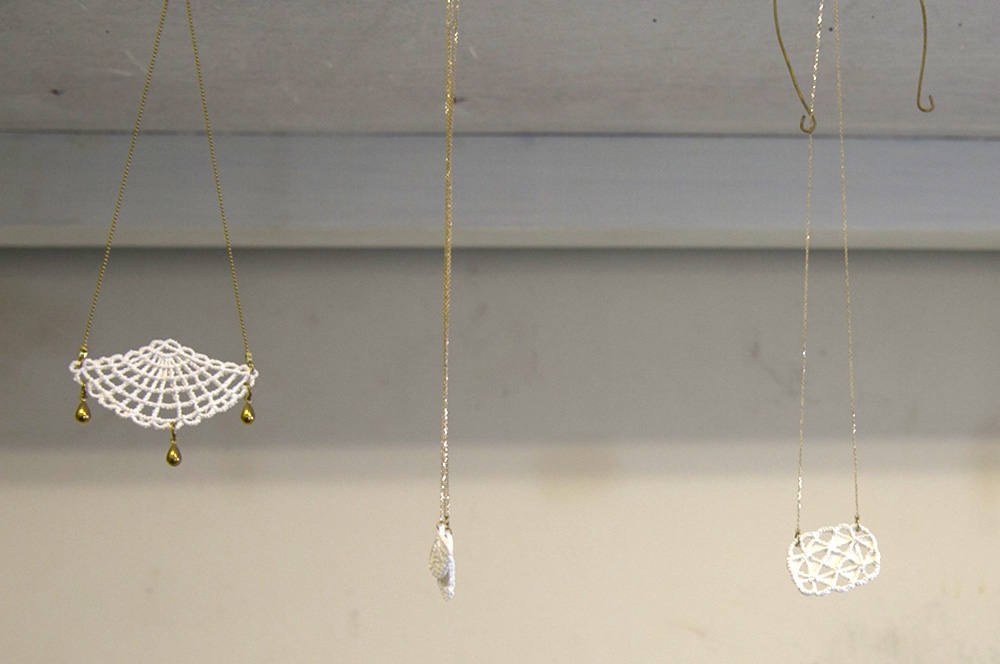
The white porcelain was cool to the touch and had such a cute design, it was like nothing we’d ever seen before. How long have you been making work like this?
Suzuki
I’ve been making accessories since 2011, but I initially worked with hakuji (white porcelain) when I was a student.
When you were a student?
Suzuki
Yes, I was in the Ceramics Program at the Tama Art University. I’ve always loved the colors white and ecru, so when I had the opportunity to work with clay at school, I instinctively chose that path because I love the way hakuji looks. I gradually fell in love with white and the symbolism behind it, and began to make the conscious decision to use it.

And that was your first foray with hakuji.
Suzuki
Yes, it all happened very naturally. I wanted to restrict my colors to white and give my work a matte finish that felt dry to the touch.
What is hakuji usually used for?
Suzuki
Porcelain is one of the most solid materials in all of ceramics, so it’s often used in tableware and wash basins. The higher you fire it, the denser it gets, which makes it more water-resistant. That’s ideal for tableware and things like that, so at first I often worked on dishes and vases.

That’s interesting. So what led you to using it for accessories?
Suzuki
I didn’t even consider it at first. I graduated college and joined a company that worked with textiles. But since I wanted to work with ceramics, after work, I would go to an art studio and create decorative pieces. I wanted to find something special to make, but I couldn’t decide on a theme, and I struggled with a lot of doubt at that time. I really enjoyed the work, though. After a few years of that uncertainty, one day at work I was tasked with unraveling a textile.
Unraveling?
Suzuki
Yeah. Textiles are made with horizonal and vertical threads, but if you want to cut a piece of it into a 20×20 cm square, for example, you can’t just haphazardly cut it or it will completely fray apart. So I had to unravel the textile to find the right place to cut.

Ah, I see.
Suzuki
For some strange reason, that process of seeing all those individual threads coming together to form a single textile, and then seeing them unravelled apart again until it looked like there had never been anything there to begin with, made me think of what I wanted to do. It reminded me of my ideal relationship with other people. I can’t quite explain it well, but I saw beauty in it all.
Beauty?
Suzuki
Yes. All those vertical and horizontal threads came apart until I pulled the very last one and they were all completely separated. I thought of how beautiful it was when there were those very last strips in place. And that’s when I realized what I wanted to do.

That textile made you realize it.
Suzuki
It was actually a much messier process than that, but reflecting back on it now, I can see it that way. I noticed what a positive thing it was to cherish such a fragile thing, and I wanted to turn that into a piece of art. I took a single textile that I had pulled out its threads until it was at its very last limits, submitted it to a competition, and won an award.
Wow!
Suzuki
That was when my concept really hit home. After I received a prize, I entered the contest again the year after, this time with pottery. I thought I would try to express the same concept as the textile, but use pottery to do so.
How so?
Suzuki
Of course, people always worry about damaging porcelain jewelry. But we shouldn’t see things that can be lost or broken as negative. We should see their fragility as a reason to care for them. I’m actually a very rough person, you see. [Laughs]”
Really? I’d never guess.
Suzuki
No, really. I’ll break the thin glasses in my house and stuff. [Laughs] Broken jewelry can come as a shock, but on the other hand, it’s a chance to change our frame of mind to be more careful.
Ah, I think I know what you mean.
Suzuki
Accessories are also quite fragile, but by putting one on, I thought it would lead to more ladylike movements and gestures. But, that’s just me saying that to myself. [Laughs] I wanted to come across a little more gently.

What kind of pieces did you put on display back then?
Suzuki
I had the prototypes for the brooches I make now, but with lace hanging from it. The people who came to look at it asked if it was possible to wear, and that’s when I started making actual brooches. But I knew there was a lot involved with actually entering the field of accessories, so I avoided just waltzing into the genre and instead focused on creating accessories for my own personal brand. In 2011, after working at my job for 7 years, I made the decision to quit my job, and knew I couldn’t look back.

I did see some of your hakuji work shaped into lace designs. At first I couldn’t even tell if it was made of ceramic or not. What brought you to that style?
Suzuki
When I first started, I would cover actual lace with clay and fire it all together.
You would fire the lace, too?
Suzuki
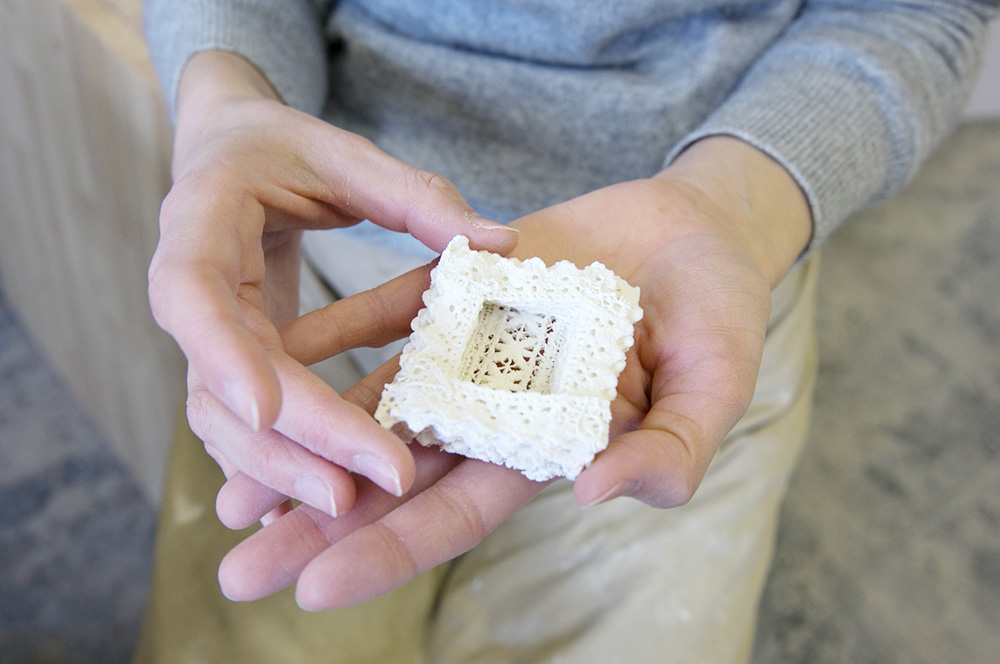
Yes. I would dip the lace into clay that was the consistency of paste. The lace burned up in the kiln, of course, but the clay around it would retain the shape of the lace. Here, like this.

A ceramic piece created by dipping lace in clay.

Wow! That’s amazing.
Suzuki
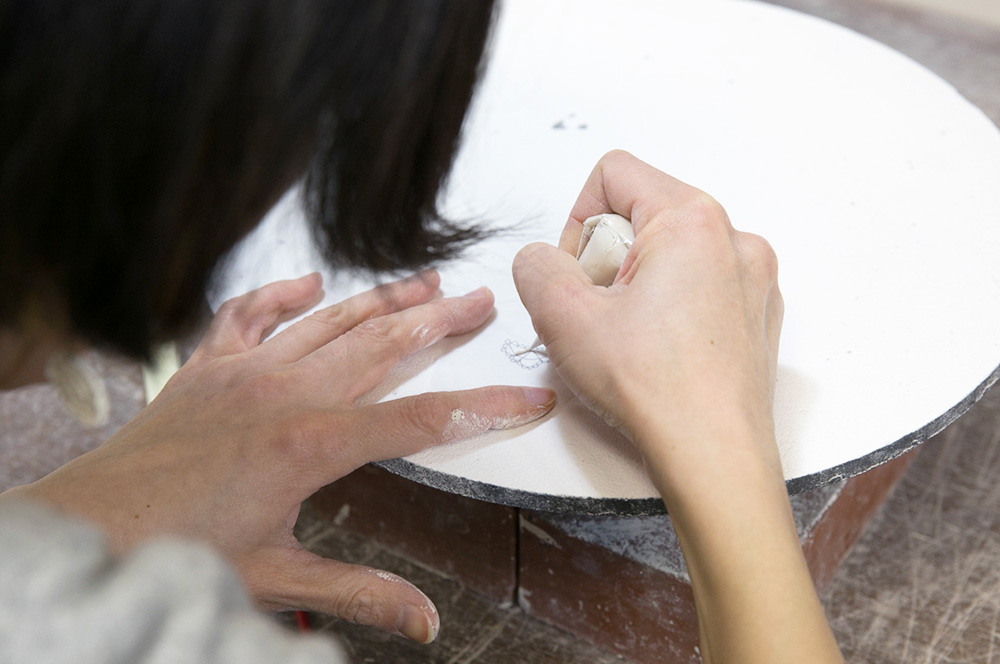
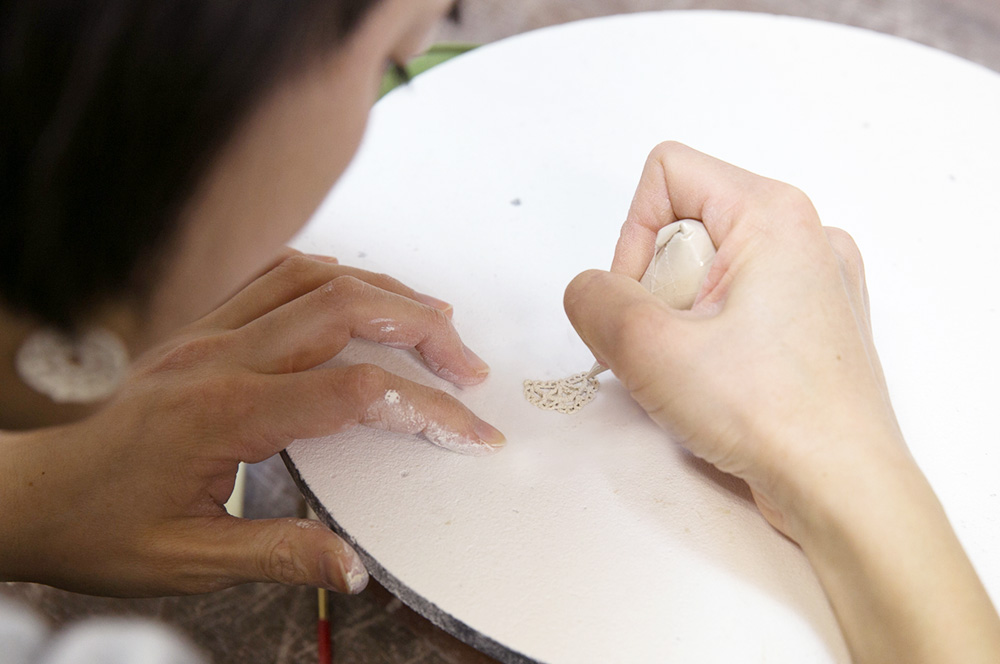
Lace was something I saw on a daily basis when I was working at the textile company, so I was interested to try and combine it with ceramics. This method, however, left the end result so frail that it would snap in your hands just by holding it. But when I had it on display, people would say how much they wanted to wear it as an accessory. I explained to them that it was too fragile, but that’s when I realized I could just draw the lace designs with the clay and squeeze it out of a tube like when icing a cake. That would allow me the freedom to make lace of my own design.
Icing! It’s like you’re making sweets.
Suzuki
At first I was worried whether I’d be able to trace the lines properly, but I gradually got better at drawing it myself.

So you’ve got your own unique method now. Do you think anyone else is doing the same thing?
Suzuki
I doubt it. There’s a similar method called slip trailing, but I don’t think anyone uses it on its own to create hakuji accessories.

Tracing a hand-drawn design.

The clay is carefully squeezed out little by little.

How do you make the designs other than the lace, such as the birds and flowers?
Suzuki
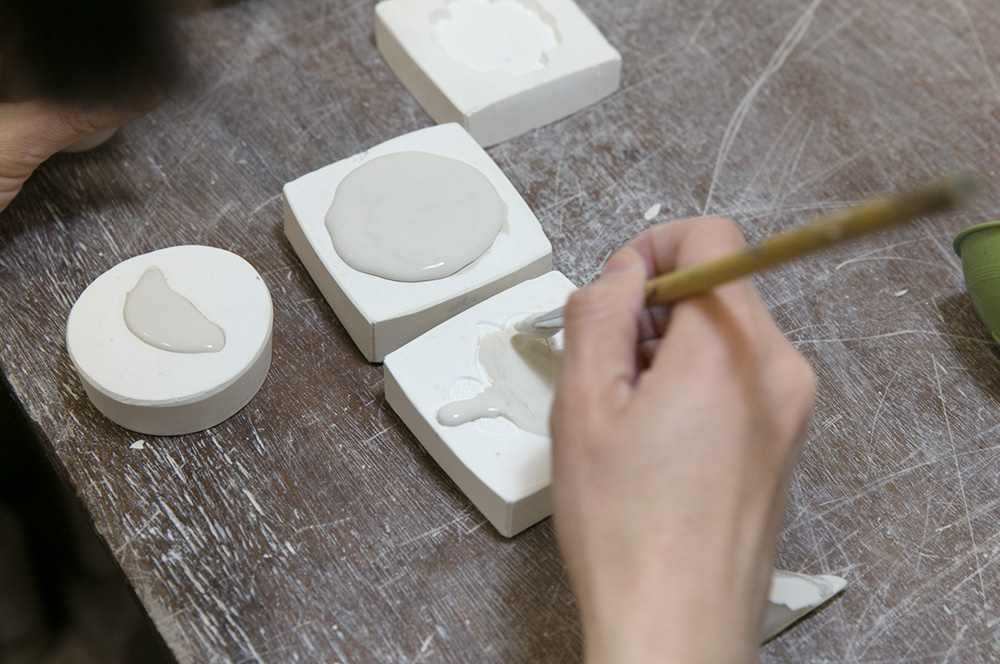
Those I make using my handmade plaster molds. People often use clumps of clay for something like that, but I actually use clay that has the consistency of paste. It takes a bit more time, but that allows it to fill in all the tiniest cracks in the mold and the end result turns out clearer and nicer.

Filling in a plaster mold with paste-like clay.

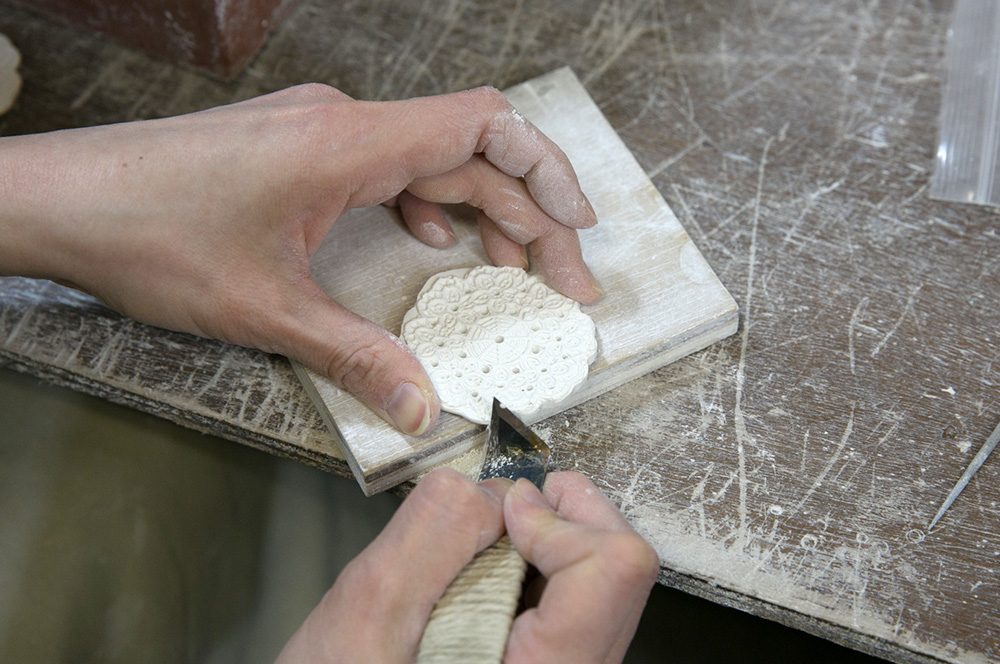
Once it dries, she removes it from the mold and trims the edges.

Suzuki
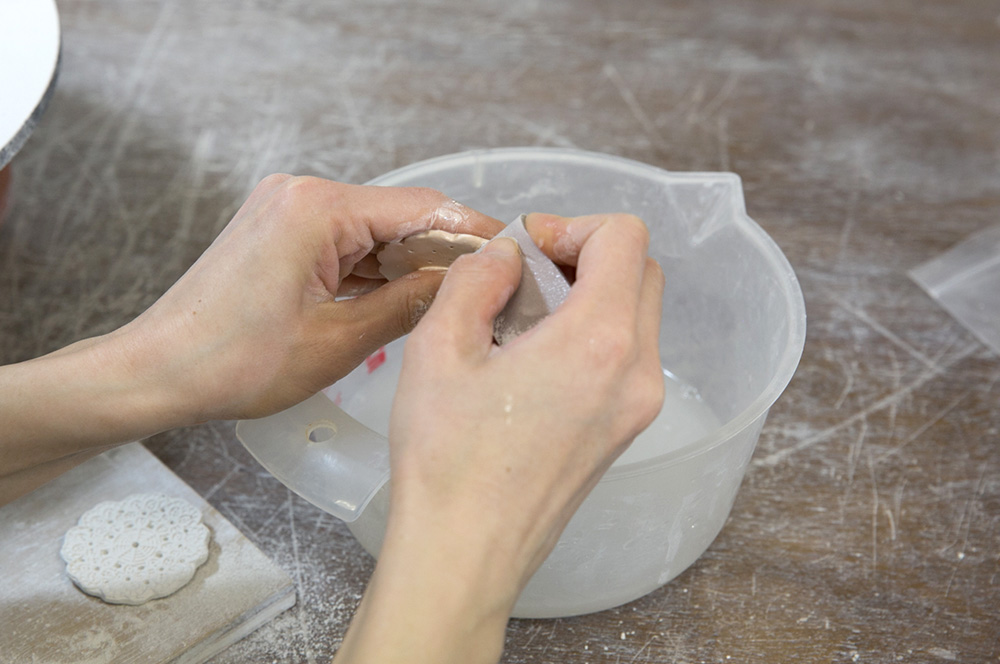
Once I remove it from the mold, I trim it, file it, and wash it, so there’s a lot more that happens before it goes into the kiln. I go through so much trouble making these that I’d be embarassed for someone to watch my process. And I do all the work myself, so I don’t really make a large number of pieces at a time.

So it’s not “bake it and take it.”
Suzuki
Exactly. I want to make my work as durable as I can, so I coat both the back of the brooch and the lace designs with glaze, I draw again atop of that, and repeat the process, so it contains several layers—almost like mille-feuille.
You sure put a lot of effort into making it more durable.
Suzuki
Yeah. It does make people sad when these things break. And I also let the customers know that because it’s made of ceramic, I can repair it.
Oh! You can fix them if they break?
Suzuki
Pottery snaps very cleanly when a part breaks off. I don’t want customers to feel disappointed about something they paid money for, so while I can’t restore it to what it originally was, I do my best to make repairs when things break.

It’s really nice of you to follow up with customers and offer a service like that!

2016-12-06-Tue